PIER is a community allotment and gardens located on Belfield Road (next to the Croft Shifa Medical Centre) in Rochdale, which belongs to homelessness charity Petrus. It is a beautiful, relaxing and therapeutic oasis that grows fruit and vegetables and is a member of the wider Incredible Edibles network representing Rochdale. It is open to the public and people are welcome to visit and take a look around this award-winning garden. Petrus’ vision is to create kind, confident and connected communities through the power of growing food.
As we settle into the end of the year, the days grow shorter, and the sun’s warmth begins to wane.
The growing season slows, but for those of us who planned ahead, there are still crops to nurture. Winter and spring cabbages, kale, cauliflower, and purple sprouting broccoli can provide sustenance during this quiet period. Regularly checking on these plants, covering them with horticultural fleece, helps maximize daylight while deterring pigeons and insects. These simple tasks can foster a sense of connection to nature, even on the greyest days.
If you missed the opportunity to sow these valuable crops, why not consider shopping now for seeds for 2025. Then set a reminder to sow them in late summer.
Even those without a garden can participate by using window boxes or pots by the door.
For all types of gardeners, this is a busy time to invest in soil health. Let the fallen leaves settle onto beds and borders, providing a feast for microorganisms and invertebrates. As they break down the leaf matter, they’ll improve aeration and enrich the soil with organic matter.
If the leaves become overwhelming, bag them damp in bin bags, knot them, and store them for a year. This will yield a rich homemade leaf mulch compost, perfect for your spring sowing.
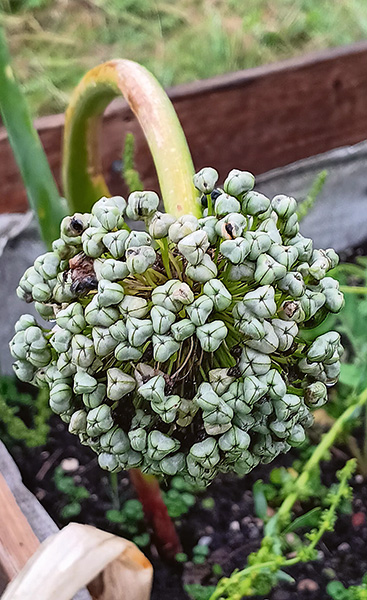
As you tend to your garden, consider holding back on pruning for now. Seedheads provide vital food for local wildlife. Finches crack open cherry stones, while siskins and other birds hunt for seeds among the alder and birch. Leaving herbaceous flower heads intact offers a delightful spectacle of wildlife foraging.
If you must prune, keep any long, flexible branches to twist into wreaths for the festive season. By cutting back some of the longest growth in woody shrubs to create a “stool,” you’ll also provide ideal nesting spots for birds.Finally, consider leaving a few flowers, like coreopsis, or even “weedy” treasures like fat hen and Michaelmas daisies. These will serve as additional food sources for birds, who will reward your kindness by helping to control pests like aphids and greenfly in the new year.
------------------
About the writer
Jo Rose Brewerton is a social and therapeutic horticulture practitioner at Petrus. Their PIER project invites volunteers and individuals referred through the Social Prescribing program “Nature For Health” to engage in gardening activities that promote well-being.